
In the grain packaging industry, correctly bag-closing grain packaging bags is not only a key step in ensuring product quality, but also an important factor for enhancing a company’s competitiveness. Meanwhile, polyester sewing thread used for bag closing is the core material in the packaging process, and its performance and quality directly affect the packaging result and product safety. This article delves into how to properly sew grain packaging bags and analyzes the industrial value and application of polyester packaging thread.
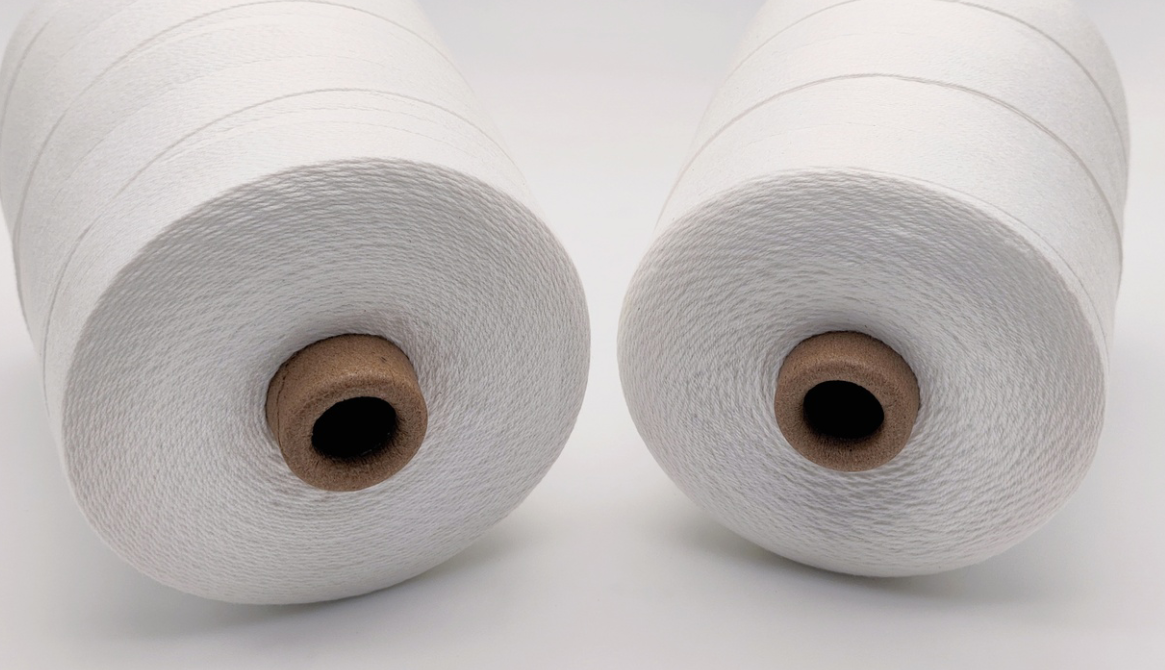
I. The Art of Properly Sewing Grain Packaging Bags
1. Careful Preparation Before Sewing
Preparation before sewing is the foundation for ensuring packaging quality. First and foremost, choosing the right bag-closing thread is critical. Different weights of grain packaging bags require matching stitching threads with different diameters. For example, 50 kg rice bags are suitable for using thicker thread in the range of 0.3–0.4 mm because of its strong tensile strength and effective resistance to puncture. For 25 kg flour bags, a finer thread of 0.2–0.3 mm is more appropriate, ensuring tight stitching to prevent flour leakage. For miscellaneous grain bags under 10 kg, an ultra-fine thread of 0.15–0.2 mm is preferable — soft, yet economical.
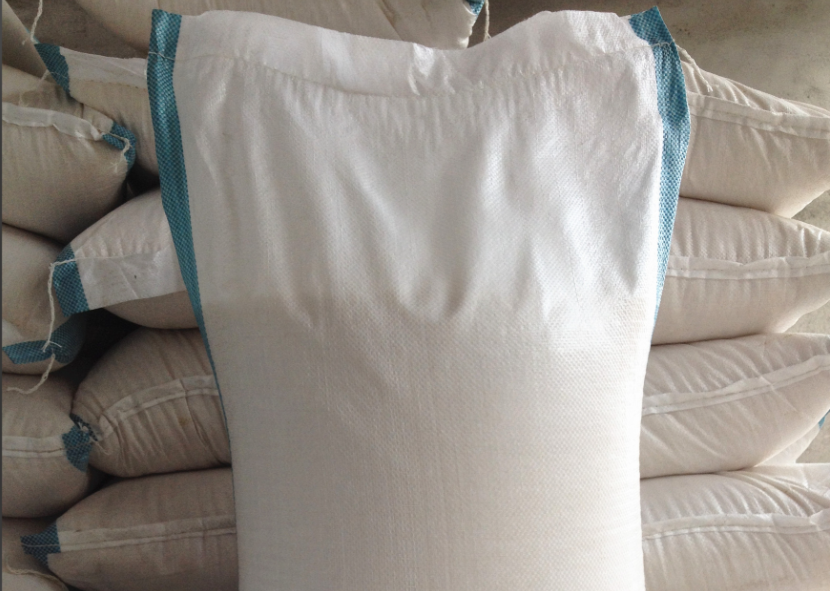
A common misconception is that thicker thread is always better. In fact, an overly thick diameter not only increases cost, but may scratch the inner wall of the packaging bag, leading to caking of the grain and affecting product quality. In addition, the treatment of the thread itself should not be neglected. Depending on requirements such as moisture-proof or mold-resistant properties, one can opt for coated threads or threads with silver-ion coating to enhance the protective performance of the packaging bags.
2. Key Operations During Sewing
The details during the sewing process directly determine the firmness and appearance of the packaging bag. Controlling the stitch length (stitch density) is the first priority. Industry standards recommend a stitch density of 8–12 stitches per 10 cm; too dense may cause leakage, too sparse may cause seam breakage. In practice, one can lightly pull the sewn seam to test whether the stitch density is appropriate; if the stitching loosens, reduce the stitch spacing.
The uniformity of the stitch line is equally important. The presser foot pressure of the bag-closing machine must be moderate: too much pressure can flatten the thread, too little may cause skipped stitches. During manual adjustment, one can hold the bag opening by hand to ensure the seam line is straight. After sewing, compare the seam line with a ruler — a deviation under 2 mm is ideal.
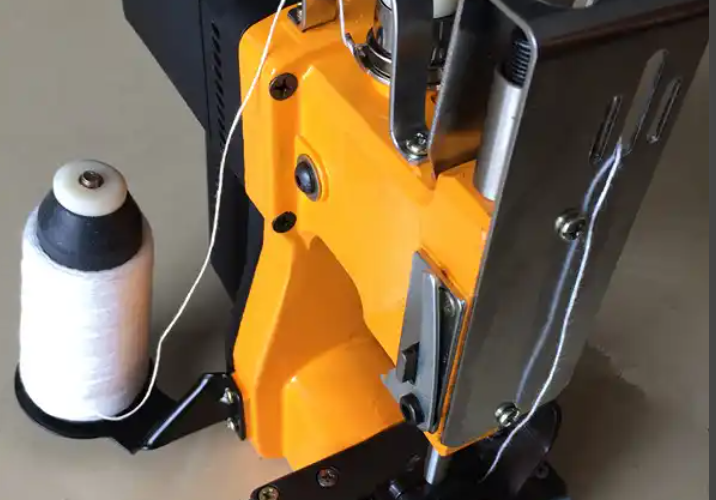
Preventing skipped stitches is another major challenge. Three key methods are: choosing the correct needle type, adjusting thread tension, and replacing the bobbin thread regularly. For example, for a 0.3 mm thread, use a size 14 needle; adjust the upper-thread tension and bobbin tension to match, avoiding too tight or too loose; regularly replace the bobbin thread to prevent burrs that might lead to skipped stitches.
3. Strict Inspection After Sewing
After sewing is completed, rigorous inspection is required. A tensile strength test is the primary step: by pulling both sides of the seam strongly to check the firmness of the thread and bag opening. For bags sewn by new employees, randomly inspect 20% for tensile strength to ensure consistent quality.
Visual inspection is also indispensable. A qualified packaging bag should meet the “three no’s” principle: there should be no exposed thread ends (to avoid hooking cargo), no skipped stitches (to prevent leakage), and no crooked seams (to ensure stable stacking). As old-hand workers say, “three parts thread, seven parts sewing” — even the best thread cannot guarantee ideal results if the operation is sloppy.
II. Industrial Value and Application of Polyester Sewing Thread for Bags
1. Twist Count: The “Spiral Code” of Thread
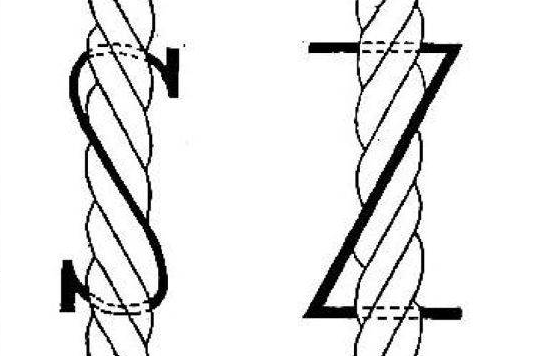
The performance of polyester bag-closing thread depends greatly on its twist count. Twist count — the art of spinning polyester filaments into a cord — determines the balance between strength and aesthetic quality of the thread. If the twist is too loose, the thread behaves like “loose sand” and breaks at the slightest pull; if the twist is too tight, the thread becomes like a “stubborn temper”, prone to splitting instead. For industrial packaging threads, one must find the “golden balance” of twist — light yet strong enough to withstand shocks and bumps during transportation.
2. Everyday Applications of Polyester Sewing Thread
Polyester sewing thread for bag closing does not only play a vital role in industry; it also quietly influences our daily lives. When we unpack a bag and the seam does not unravel, that’s thanks to the meticulous design of the thread’s twist. These seemingly small details actually affect the overall quality of the product and the user experience.
3. Industry Trends and Environmental Challenges
With global emphasis on sustainable development, environmental protection has become unavoidable across industries — and the polyester sewing-thread industry is no exception. How to develop more environmentally friendly and smarter thread solutions is a challenge faced by all practitioners. Some companies have begun to explore using bio-based or biodegradable materials to replace traditional polyester, in order to reduce environmental impact. At the same time, the development and application of bag-closing machines help improve sewing efficiency and quality, while reducing labor cost and resource consumption.

III. Integrated Application and Industry Outlook
In real-world applications, properly sewing grain packaging bags and selecting high-performance polyester bag-closing thread go hand in hand. Grain enterprises need to choose the right sewing thread and sewing process based on product characteristics and market demand, to ensure product quality and safety — thus enhancing enterprise competitiveness and sustainability.
Looking to the future: as technology advances and consumer demands become increasingly diverse, the polyester sewing-thread industry will face more development opportunities and challenges. Enterprises must continuously innovate and optimize products and services to meet market changes and customer needs. At the same time, strengthening industry cooperation and communication is essential to jointly promote the healthy development of the polyester sewing-thread industry.
In summary, properly sewing grain packaging bags and selecting high-performance polyester bag-closing thread are key steps for ensuring product quality and safety. By deeply understanding industry information and technical dynamics, enterprises can continuously improve their competitiveness and sustainable development capabilities, delivering higher-quality, safer products and services to consumers.

